Computer Vision · Deep Learning · Agri-Tech
Plant Disease & Fruit Ripening Detection
An earlier computer-vision project — detecting plant disease from leaf imagery and estimating fruit ripeness from visual cues — for greenhouse monitoring.
System flow
App screenshot
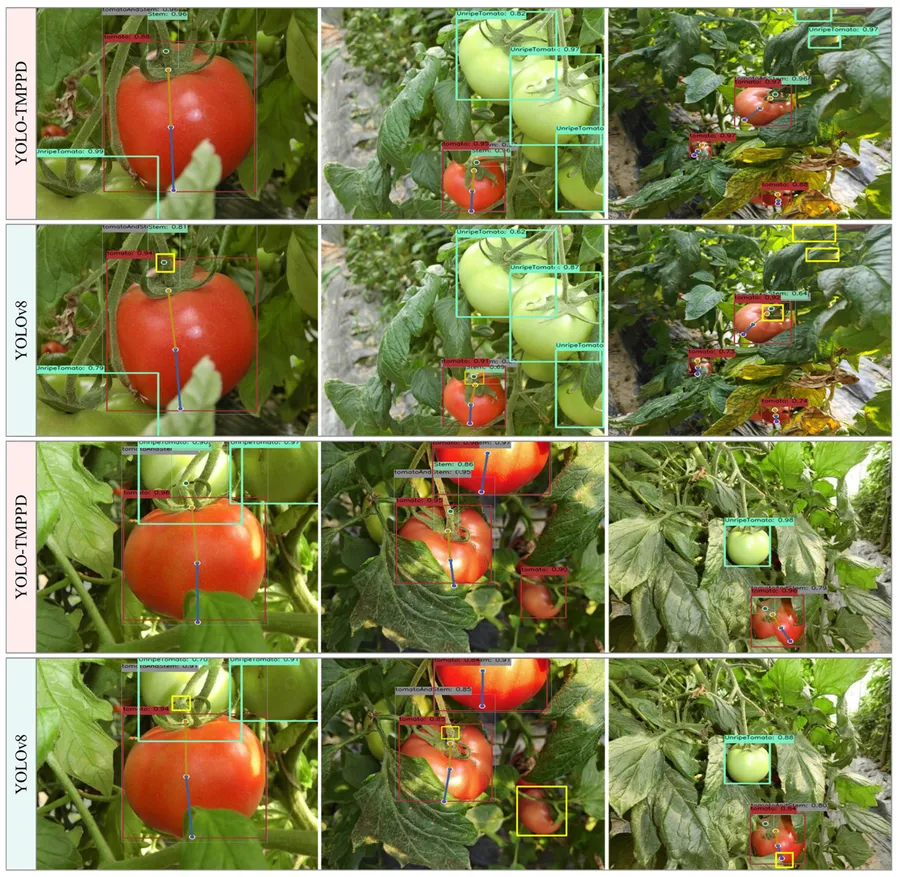
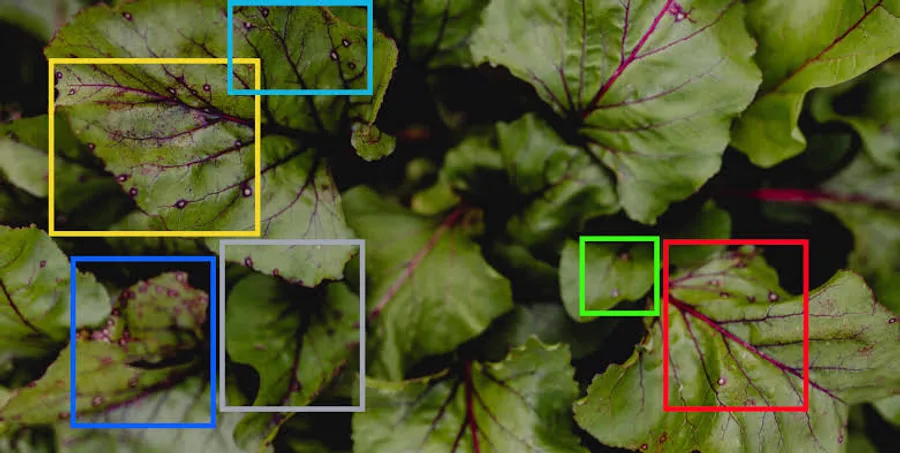
Metrics
- Task
- Disease + ripeness classification
- Model
- CNN (transfer learning)
- Domain
- Greenhouse imagery
Context
An early step in Haben's computer-vision path, before the shift toward on-device and efficiency-focused AI work.
Problem
Manual inspection for plant disease and fruit ripeness in greenhouse settings is slow, inconsistent, and doesn't scale with the number of plants that need regular monitoring.
Why it matters
Earlier, more consistent disease detection and better-timed harvesting — based on real ripeness signals rather than guesswork — both directly affect crop yield and quality.
Constraints
- Limited labeled image data across disease categories and ripeness stages
- Visual similarity between early-stage disease symptoms and normal leaf variation
- Ripeness cues (color, texture) vary by fruit type and lighting conditions
Approach
Two related CNN-based classifiers: one trained to distinguish healthy vs. diseased leaf imagery, the other to estimate fruit ripeness stage from visual cues — both framed as supervised image-classification problems using transfer learning from pretrained vision backbones.
Experiments
- Baseline CNN trained and evaluated on a labeled leaf-image dataset for disease classification
- Separate classifier trained on fruit imagery for ripeness-stage estimation
Results
- Working classification baseline for both disease detection and ripeness estimation
Lessons
- This project was an early, foundational step in the applied computer-vision thinking that later shaped the on-device AI work